


Table of Contents
- Step 1: Recognise the Causes of Desk Job Back Pain
- Step 2: Try These Desk Job Back Pain Exercises
- Step 3: Build an Ergonomic Desk Setup for Back Pain
- Step 4: Know How Often to Take Breaks from Sitting
- Step 5: Use a Standing Desk for Back Pain Relief
- Step 6: Avoid the Common Mistakes That Keep Pain Going
- Step 7: Know When to Seek Medical Advice
- Frequently Asked Questions
Last Updated: 23 October 2026
Step 1: Recognise the Causes of Desk Job Back Pain
Learning how to fix back pain from desk work starts with understanding why it happens. Long hours in one position strain the lower back, round the shoulders, and weaken the muscles that support good posture.

The main culprits are simple to spot:
- Slouching in a chair with no lumbar support
- A monitor set too low, pulling the neck forward
- Sitting for hours without standing or moving
- A desk that forces the arms and shoulders to hunch
Each one adds load to the spine. Fix the cause, and the pain often eases.
Step 2: Try These Desk Job Back Pain Exercises
Movement is the fastest relief for desk job back pain exercises. Short routines beat long ones because people actually stick to them. Aim for two to three minutes, twice a day.
Morning and Midday Mobility Routine
Start the day with gentle motion. These moves wake up the spine:
- Shoulder rolls: 10 slow circles each way
- Seated cat-cow: arch and round the back 8 times
- Neck turns: look left and right, hold 5 seconds each side
- Standing hip hinge: bend forward softly 10 times
Evening Stretches to Undo the Day
Evening work releases tension built up over hours:
- Child's pose: hold for 30 seconds
- Doorway chest stretch: 20 seconds per side
- Figure-four glute stretch: 30 seconds per leg
- Gentle spinal twist: 20 seconds each direction
Step 3: Build an Ergonomic Desk Setup for Back Pain
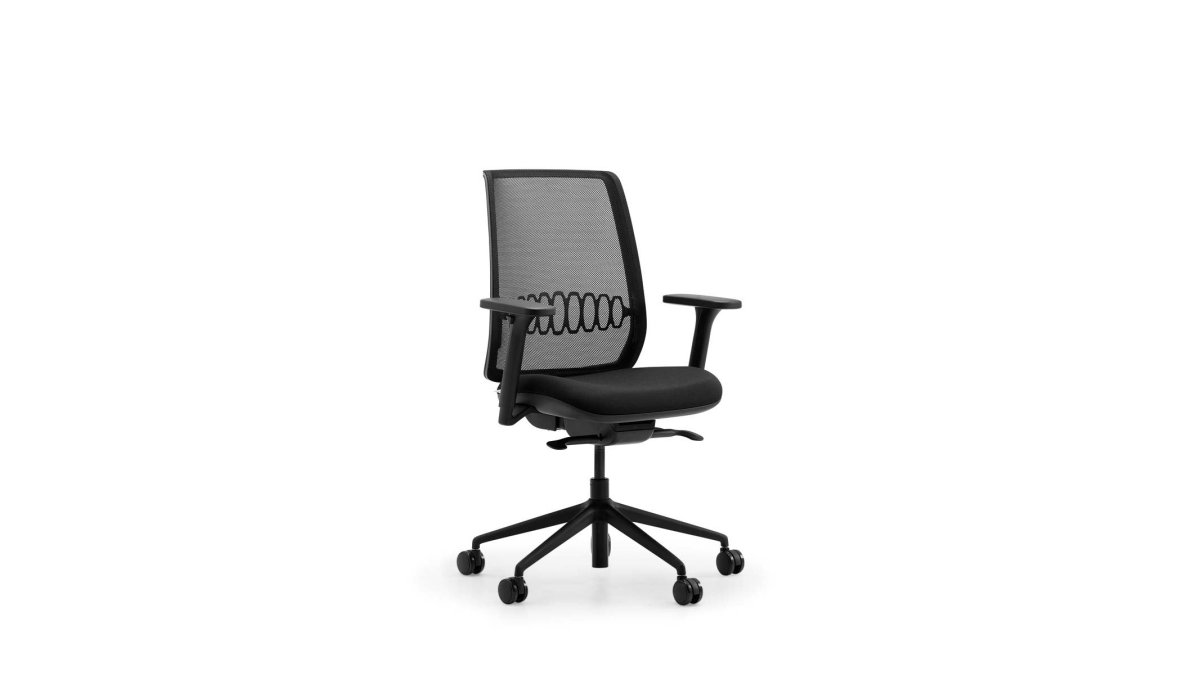
An ergonomic desk setup for back pain rests on three points: feet flat, screen at eye level, and elbows at roughly 90 degrees. Get these right and the spine stops fighting gravity all day.

Chair and Monitor Adjustments That Matter Most
- Seat height: knees level with hips, feet on the floor
- Lumbar support: sits in the small of the back, not the ribs
- Monitor top: level with the eyes, an arm's length away
- Keyboard: close enough that the shoulders stay relaxed
A chair with adjustable lumbar support makes a real difference. The Chartered Society of Physiotherapy guidance on desk setup stresses that small, regular adjustments matter more than any single gadget.
Step 4: Know How Often to Take Breaks from Sitting
Knowing how often to take breaks from sitting is where most people slip. The answer is roughly every 30 minutes. Stand, walk, or stretch for two minutes, then sit back down.
Set a timer. Use a standing desk if you have one. Even a short walk to the kettle counts. The goal is to break up long stretches of stillness, not to exercise hard.
Step 5: Use a Standing Desk for Back Pain Relief
A standing desk for back pain works best as a tool for variety, not a full-time replacement. Alternate between sitting and standing through the day. Many people find a 30-minute sit, 15-minute stand rhythm comfortable. Maintaining this dynamic posture throughout the day also provides the ideal foundation for correcting forward head posture as you align your spine against the strain of prolonged screen time.
Ystad Ergonomic Mesh Task Chair →
FRISKA DESK builds Swedish-engineered standing desks from premium British timber. The Stockholm Signature adjusts from 595mm to 1.3 metres, so it suits almost any user. Dual motors raise and lower it quietly, and the anti-collision sensor adds safety. Every desk comes with a 10-year guarantee and free next-day delivery to mainland UK.
Step 6: Avoid the Common Mistakes That Keep Pain Going
Most lingering pain traces back to a few repeat mistakes. A common one is ignoring the first twinge and pushing through. Another is buying equipment and never adjusting it.
Watch for these:
- Raising the desk but leaving the monitor low
- Skipping breaks on busy days
- Stretching hard once a week instead of gently every day
- Keeping a worn-out chair well past its useful life
Fix the small habits first. Big purchases help, but only when the basics are right.
Step 7: Know When to Seek Medical Advice
See a doctor or physiotherapist if pain lasts more than a few weeks, spreads down a leg, or comes with numbness or weakness. The NHS guidance on back pain sets out clear warning signs that need professional review.
Most desk-related aches ease with movement and better setup. Persistent or severe symptoms deserve proper assessment. Do not self-treat pain that keeps getting worse.
Frequently Asked Questions
How do I relieve back pain from sitting at a desk all day?
Start by moving every 30 to 45 minutes, even if it is just standing up or walking to the kettle. Set up your chair so your feet are flat and your lower back is supported, and raise your monitor to eye level. Add a short stretching routine in the morning and evening. If you use a standing desk, alternate between sitting and standing rather than standing all day. These habits reduce the constant load on your spine and give your back a chance to recover.
What exercises help back pain caused by desk work?
Try gentle mobility exercises such as seated spinal twists, shoulder rolls, and hip flexor stretches. The cat-cow stretch on all fours helps mobilise the spine, while a standing backward bend counteracts slumped sitting. Do two to three minutes of movement every hour, and a longer five-minute routine at lunch. Avoid aggressive stretching if you feel sharp pain. If exercises make your pain worse, stop and speak to a physiotherapist or your GP.
Can a standing desk help with back pain?
A standing desk can help by letting you change posture throughout the day, which reduces the strain of staying in one position. It works best when you alternate between sitting and standing, for example 30 minutes standing then 30 minutes sitting. A desk with a height range that suits your body, such as the Stockholm Signature which adjusts from 595mm to 1.3 metres, makes the switch easy. A standing desk alone will not fix back pain, but combined with movement and good setup it is a useful part of the solution.
How often should I get up from my desk to prevent back pain?
Aim to stand up and move at least once every 30 to 45 minutes. Set a timer or use a reminder app for the first week until it becomes habit. Even a one-minute walk to fill your water bottle or a few standing stretches counts. Research on sedentary behaviour suggests breaking up long sitting periods is more important than the total sitting time. Pair your breaks with your natural workflow, such as after finishing a task or before a call, to make them stick.
Desk work does not have to mean daily aches. Better habits, a proper setup, and regular movement handle most cases. For those ready to upgrade their workspace, FRISKA DESK offers Swedish engineering, bespoke sizes, and award-winning support. Get started with FRISKA DESK and build a workspace that supports your back from day one.
