


Quick Summary
The afternoon energy slump is a common dip between 2pm and 4pm, and it can be eased by changing everyday habits. Balanced lunches with protein and slow-release carbohydrates, a short walk, regular posture changes and careful caffeine timing all help steady energy through the afternoon.
- Build lunch around protein, slow-release carbohydrate and at least two handfuls of vegetables
- Avoid large refined-carbohydrate lunches, which often trigger a 2pm to 4pm crash
- Take a five- to ten-minute walk around 2pm and change posture by 3pm
- Have your main caffeine in the morning and limit it after early afternoon
- See a GP if tiredness persists most days, even after changing your habits
Table of Contents
- Why the Afternoon Energy Slump Happens
- Foods for Sustained Energy Through the Afternoon
- A Short Walk for Afternoon Tiredness: Why Movement Works
- Caffeine Timing for Afternoon Tiredness Without Wrecking Your Sleep
- Sitting Less and Changing Posture at Your Desk
- A Timed Afternoon Routine for Different Work Patterns
- When Persistent Tiredness Needs a GP, Not a Coffee
- Start Your Afternoon Routine Tomorrow
- Frequently Asked Questions
Why the Afternoon Energy Slump Happens
Most people feel a dip somewhere between 2pm and 4pm. Lunch has settled, the morning's momentum has faded, and the screen starts to blur. This afternoon energy slump is often shaped by habits you can change, which is good news.
Afternoon fatigue causes you can actually change
Several everyday factors make the slump worse. Long periods of sitting, heavy lunches, skipped water and too much caffeine all play a part.
- Sitting still for hours reduces circulation and alertness
- Large, refined-carbohydrate lunches trigger a sharp drop in energy
- Mild dehydration makes tiredness feel heavier
- Poor sleep the night before leaves less energy to draw on
Small changes to these habits often make a noticeable difference by mid-afternoon.
The circadian dip and what it does and does not explain
Your body clock naturally dips in the early afternoon, which is a well-established pattern. This is sometimes called the mid-afternoon slump, and it affects most people to some degree.
However, the circadian dip does not explain everything. Read what the evidence says about whether sitting itself is the problem to see how prolonged sitting affects energy and health. Diet, movement, hydration and sleep can deepen or soften it, so the dip is not fixed.
Foods for Sustained Energy Through the Afternoon
Your lunch sets the tone for the afternoon. The aim is a meal that releases energy slowly rather than all at once, so blood glucose rises gently and does not crash mid-afternoon.
Why the composition of lunch matters
Refined carbohydrates, white bread, white rice, pastries, sugary drinks, are digested quickly (National Severe Insulin Resistance Service - Carbohydrates). Blood glucose rises fast, insulin is released, and many people feel a sharp drop in energy one to three hours later. That pattern is a common trigger for the 2pm to 4pm slump.
Slow-release carbohydrates, protein, fat and fibre slow digestion and flatten that curve. A useful rule of thumb is to build lunch around three components:
- A palm-sized portion of protein, chicken, fish, eggs, beans, lentils, tofu or Greek yoghurt
- A fist-sized portion of slow-release carbohydrate, wholegrain bread, oats, brown rice, quinoa, potatoes with skin or wholewheat pasta
- At least two handfuls of vegetables or salad, plus a thumb-sized portion of healthy fat such as olive oil, nuts, seeds or avocado
Breakfast sets up the afternoon
Skipping breakfast often leads to a very hungry lunch and a larger, faster meal, which makes the afternoon dip more likely. A breakfast with protein and fibre, for example porridge with milk and berries, or eggs on wholegrain toast, keeps hunger steadier through the morning.
Snacks that steady rather than spike
If you need a snack, pair carbohydrate with protein or fat. Examples include an apple with a small handful of almonds, natural yoghurt with berries, oatcakes with hummus, or a boiled egg with a piece of fruit. Keep portions modest; a large snack can have the same spiking effect as a large refined lunch.
Watch out: cutting carbohydrates very low at lunch can leave some people hungry and reaching for biscuits by 3pm, the goal is quality and balance, not elimination.
Meal timing and size
A very large lunch diverts blood flow to digestion and can make you feel sluggish. If you can, eat a moderate lunch and add a planned mid-afternoon snack rather than one heavy meal. Eating lunch at a consistent time also helps your body clock anticipate the afternoon.
Caffeine and alcohol at lunch
A coffee after lunch can mask tiredness briefly but may disturb sleep if repeated late in the day. Alcohol at lunch, even a small amount, fragments sleep and deepens the afternoon dip for many people. Water is the better default.
The table below summarises the lunch and snack choices the article recommends for steadier energy through the afternoon.
| Choice | Example | Why it helps |
|---|---|---|
| Protein at lunch | Chicken, fish, eggs, beans, lentils | Slows digestion and flattens the blood glucose curve |
| Slow-release carbohydrate | Wholegrain bread, oats, brown rice, quinoa | Releases energy gradually rather than all at once |
| Vegetables and healthy fat | Two handfuls of salad, olive oil, nuts | Adds fibre and slows digestion further |
| Breakfast with protein and fibre | Porridge with milk and berries | Keeps hunger steadier through the morning |
| Balanced snack | Apple with almonds, oatcakes with hummus | Pairs carbohydrate with protein or fat to avoid a spike |
| Refined carbohydrates to limit | White bread, pastries, sugary drinks | Digested quickly, often causing a 2pm to 4pm crash |
A Short Walk for Afternoon Tiredness: Why Movement Works
Movement is one of the simplest ways to beat a slump. A short walk gets blood moving, brings in fresh air and gives your eyes a break from the screen.
Even five minutes can help. For light movement you can do at your desk, see the Gymba Board. If you cannot leave the building, try standing up, stretching or walking to refill your water bottle.
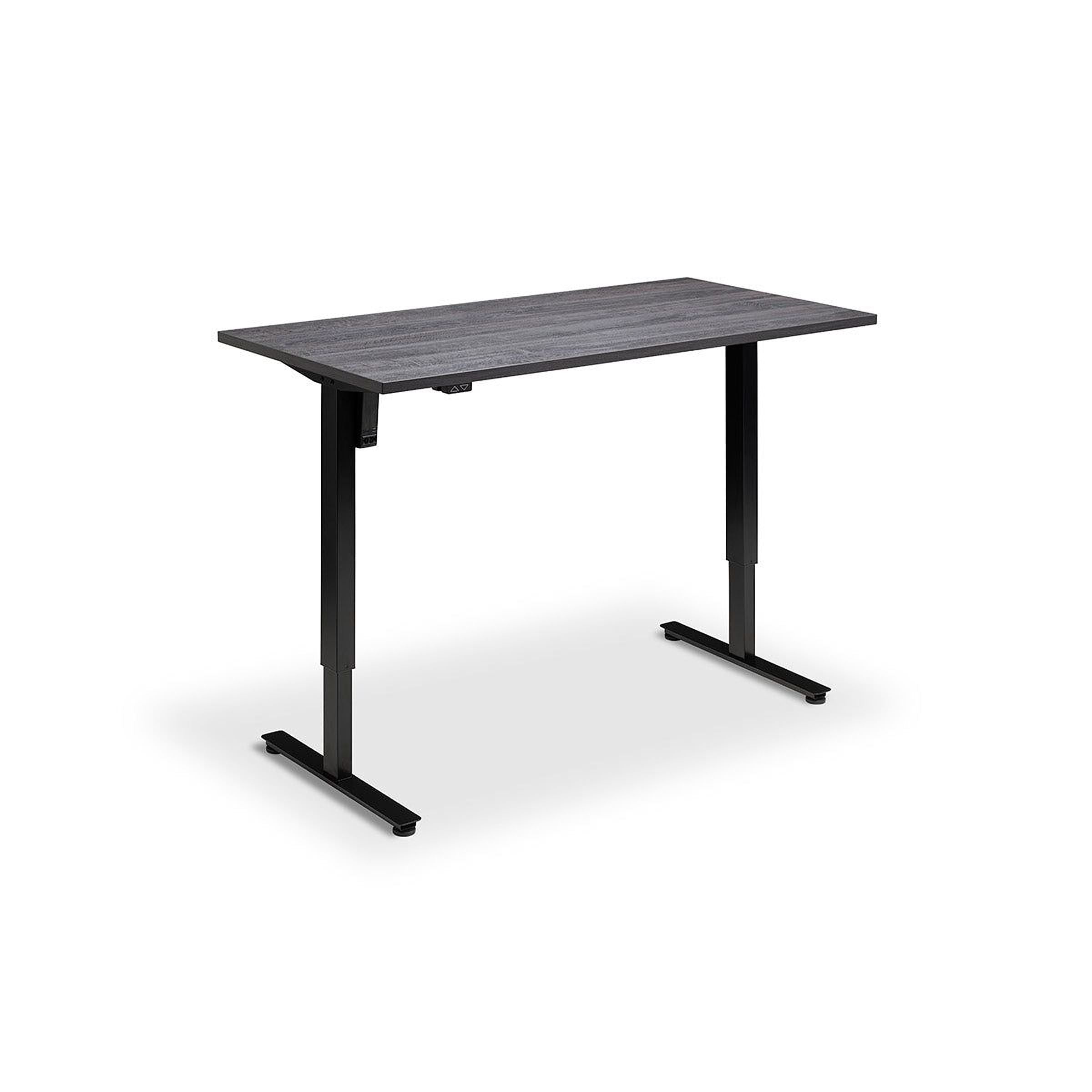
If you want movement built into your desk routine, a height adjustable standing desk from FRISKA DESK can make switching positions easy. Pair it with light stretching during breaks.
Caffeine Timing for Afternoon Tiredness Without Wrecking Your Sleep
Caffeine can lift alertness, but timing matters. Drinking it too late in the day can disrupt sleep, which often makes the next afternoon slump worse.
A sensible approach is to have your main cup in the morning and limit caffeine after early afternoon. Green tea contains less caffeine than coffee and may suit people who are sensitive to it.
Everyone reacts differently to caffeine, so notice how your sleep responds before adjusting your routine.
Sitting Less and Changing Posture at Your Desk
Long stretches of sitting drain energy. Changing position regularly keeps you more alert and eases stiffness.
Many people find it helpful to alternate between sitting and standing through the day. For practical advice, see how to improve posture while working. A height adjustable standing desk makes switching positions quick and easy, so you are more likely to do it.
Other ways to change posture include: browse ten practical ways to sit less and move more at work for concrete tips.
- Standing for a few minutes each hour
- Using a sit-stand stool to shift your weight
- Adjusting your screen so your neck stays neutral
- Stretching your back, shoulders and hips during breaks
A Timed Afternoon Routine for Different Work Patterns
A simple routine helps you act before the slump takes hold. The sequence below is a starting point; adjust the timing to suit your working day.

!A home office professional standing at a height-adjustable desk near a window in natural daylight, mid-afternoon, with a water glass and a notebook
The core afternoon sequence
- Around 1pm: Eat a balanced lunch with protein, slow-release carbohydrates and vegetables
- Around 2pm: Drink a glass of water and take a five- to ten-minute walk, ideally outdoors
- Around 3pm: Stand, stretch and change posture for a few minutes
- Before 4pm: Have a small healthy snack if you are hungry, and make this your caffeine cut-off
Tailoring the routine to your work pattern
Desk-based and hybrid workers. The main risks are long unbroken sitting and screen fatigue. Set a timer to stand every 45 to 60 minutes, and use the 2pm walk as a hard boundary between meetings. A height-adjustable desk can make the 3pm posture change quick rather than a project.
Remote workers. Without a commute or colleagues, it is easy to skip breaks. Schedule the walk in your calendar as a meeting with yourself, and keep a water bottle on the desk so hydration is visible rather than remembered.
Shift workers. The body clock is already under strain, so light exposure matters more. Seek bright light at the start of a shift and dim light before sleep. Place your main meal before the shift rather than at its midpoint if you can, and keep caffeine to the first half of the shift.
Physically demanding roles. Fatigue here is often genuine energy depletion rather than a circadian dip. Prioritise a proper lunch break, hydration with electrolytes in hot conditions, and a short rest rather than intense exercise in the afternoon.
Troubleshooting when the routine does not work
If you follow the sequence and still slump, check the likely cause rather than adding more coffee. A common pattern is that the slump is driven by short sleep, so the fix is an earlier bedtime rather than a stronger afternoon intervention. If you are thirsty and your urine is dark, dehydration is the likely contributor. If the slump began after a medication change, speak to a pharmacist or GP.
Watch out: stacking a large coffee, a sugary snack and a strenuous workout into the same afternoon can leave you more tired by evening and disturb sleep that night.
Caffeine timing within the routine
Caffeine can stay active in the body for several hours, so a late-afternoon coffee may still be active in the evening. Use the routine's 4pm cut-off as a default, and bring it earlier if you are sensitive or struggle to fall asleep.
When Persistent Tiredness Needs a GP, Not a Coffee
Occasional afternoon tiredness is common. However, if you feel exhausted most days, even after changing your habits, speak to a GP.
Persistent fatigue can have many causes, including anaemia, thyroid problems or sleep disorders (the NHS). A doctor can check what is going on and suggest the right next steps.
Seek medical advice promptly if tiredness comes with unexplained weight change, breathlessness, low mood or ongoing trouble sleeping.
Start Your Afternoon Routine Tomorrow
You do not need to change everything at once. Pick one or two ideas from this guide and try them tomorrow afternoon.
Start with a balanced lunch, a short walk and a posture change at your desk. Then notice how your energy shifts over the next week.
Explore the Mora Single Motor Height Adjustable Standing Desk from FRISKA DESK to make switching between sitting and standing part of your everyday work.
Frequently Asked Questions
Why do I get an energy slump in the afternoon?
An afternoon dip is common and partly tied to your body clock, which tends to lower alertness in the early afternoon even after a good night's sleep. Poor sleep, a heavy lunch dominated by refined carbohydrates, dehydration and long periods of sitting still can make it feel worse. If the slump is new, sustained, or comes with other symptoms, it is worth discussing with a GP rather than assuming it is only lifestyle.
What should I eat to avoid an afternoon energy slump?
Aim for a lunch that combines slow-release carbohydrates such as wholegrain bread, brown rice or oats with protein and healthy fats, such as eggs, fish, beans or nuts. Add vegetables or fruit for fibre. Limit refined carbohydrates and sugary snacks, which can cause a sharper blood sugar rise and then a drop. A healthy snack like yoghurt with fruit or a handful of nuts mid-afternoon can help sustain energy until the end of the working day.
Does a short walk help with afternoon tiredness?
A short walk of around 10 to 15 minutes often helps because it breaks up long periods of sitting, raises your heart rate slightly and exposes you to natural daylight. Even a few minutes of brisk movement or stretching at your desk can make you feel more alert. The effect is usually modest and short-lived, so treat it as one tool alongside food, hydration and sleep rather than a complete fix.
When should I speak to a GP about persistent daytime tiredness?
See a GP if you feel tired most days for several weeks despite a regular sleep schedule, healthy meals and adequate fluids. Other reasons to get checked include unexplained weight change, breathlessness, low mood, heavy periods, or feeling exhausted even after sleeping well. Persistent fatigue can have medical causes such as anaemia or thyroid problems, which a simple blood test can check for.
